Advancing biosciences education through rigorous academics, laboratory learning, research exposure and future-ready training.
An introduction to our history, our teaching philosophy, and the scholarly tradition we work within.
The PG Department of Biotechnology & Microbial Biotechnology, established in 2006, is a centre of innovation, research and education within Sri Guru Gobind Singh College, Sector 26, Chandigarh. The department is dedicated to nurturing skilled professionals through a strong academic curriculum, research-oriented learning and the guidance of an experienced faculty renowned for their contributions in diverse areas of biotechnology.
The department offers undergraduate and postgraduate programmes including B.Sc. Biotechnology, B.Sc. Biotechnology (Honours), B.Sc. Biotechnology (Honours with Research), B.Sc. Bioinformatics (Honours), B.Sc. Bioinformatics (Honours with Research), M.Sc. Biotechnology and M.Sc. Microbial Biotechnology. These programmes are designed to equip students with the knowledge and practical skills required in the rapidly advancing field of biotechnology.
Well-equipped laboratories with facilities such as Thermal Cycler, UV-Visible Spectrophotometer, Gel Documentation System, Laminar Flow units and an Animal Cell Culture laboratory equipped with Biosafety Cabinets (BSCs), CO2 incubators, −80°C freezer and inverted microscope provide students with valuable hands-on training and research exposure.
The faculty specialises in Oncogenomics, Pharmacogenomics, Cancer Genetics, Environmental and Medical Biotechnology, Molecular Modelling and Drug Designing, Human Health and Diseases, Stem Cell & Tissue Engineering, Biochemistry and Microbial Biotechnology. Faculty members are actively engaged in research projects supported by agencies such as DST and UGC and regularly publish in reputed national and international journals.
The department strongly promotes a research-driven environment by encouraging students to participate in projects, seminars, conferences and scientific publications. Regular workshops and academic events help students stay updated with recent advances in biotechnology and prepare them for higher studies, research and successful careers in the field.
Vision — To evolve as a distinguished centre of biosciences education known for academic excellence, scientific integrity, innovation and the holistic development of students in the field of applied biosciences (Biotechnology and Microbial Biotechnology).
Mission — To provide conceptually strong, application-oriented and research-driven education in Biotechnology and Microbial Biotechnology; to strengthen laboratory skills, analytical thinking and scientific communication among students; to create an academic environment that promotes inquiry, innovation, ethics and interdisciplinary learning; and to support student progression towards higher studies, research, professional careers and meaningful societal contribution.

Educators and researchers who shape the academic life of the department.
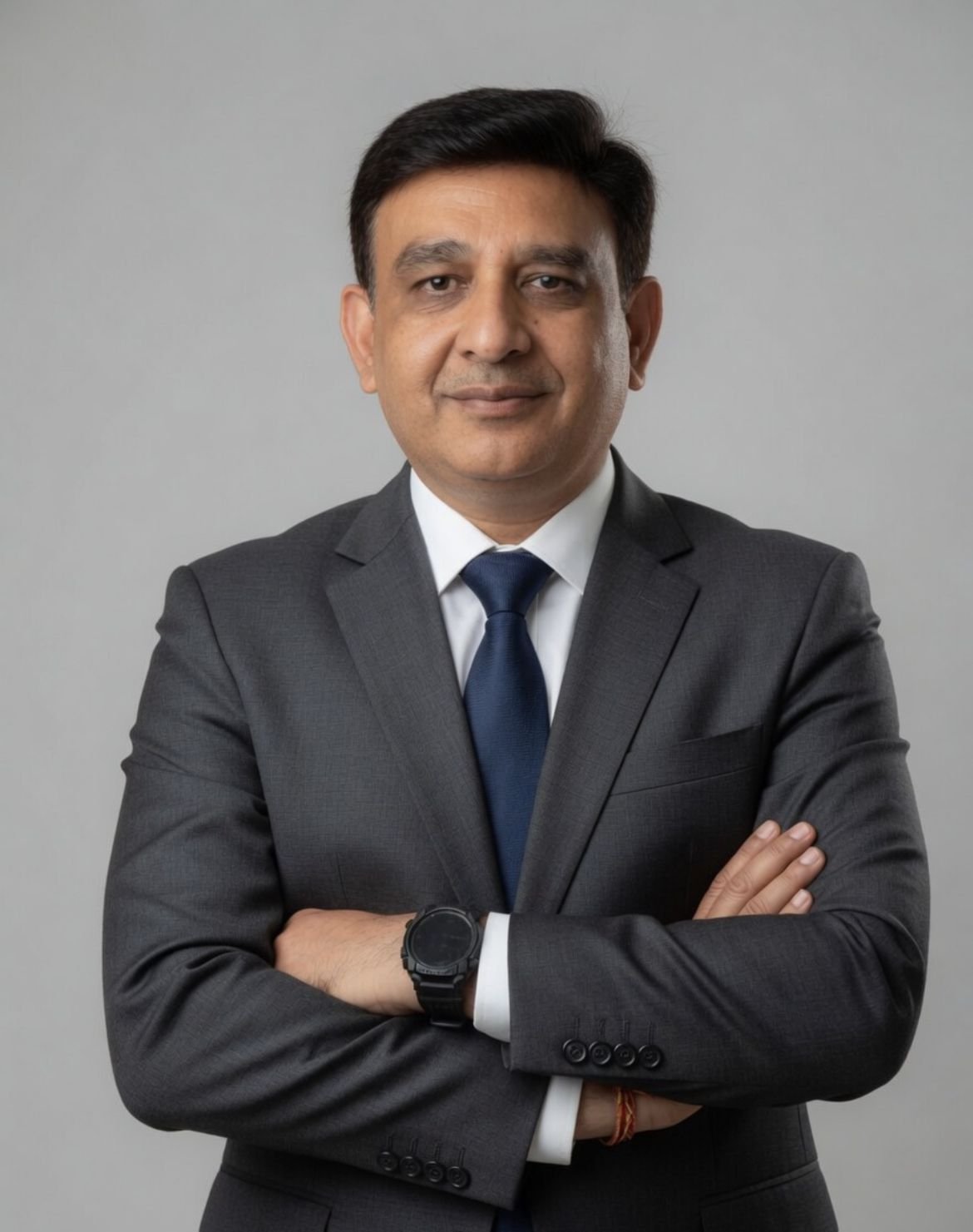
A team of nine faculty members led by the Head of Department. Click any card to view the full profile, qualifications, specialisation, research and a downloadable CV.
Undergraduate, postgraduate and add-on courses offered by the department.
A three-year undergraduate programme providing a strong grounding in the life sciences with practical training in biotechnology fundamentals.
A four-year honours programme covering advanced topics in molecular biology, microbial sciences, immunology, cell culture and applied biotechnology with hands-on laboratory training.
Honours programme with a dedicated research component, preparing students for higher studies and research careers through a guided dissertation.
A four-year honours programme combining biology, computer science and statistics, with exposure to sequence analysis, structural bioinformatics, drug discovery and computational biology.
Honours-with-research programme in bioinformatics, with research-track training in molecular modelling, drug designing and computational biology.
A postgraduate programme integrating molecular biology, genetics, biochemistry, immunology, genomics and applied biotechnology — combining conceptual learning, experimental practice and analytical inquiry. Prepares students for higher studies, advanced research, innovation-driven work and impactful careers in the biosciences.
A specialised postgraduate programme covering industrial microbiology, microbial genetics, environmental applications, fermentation science and the use of microorganisms in healthcare, agriculture and industry. Emphasises analytical thinking, laboratory competence and research orientation.
Lectures, seminars, workshops, field trips and student-led work that extend learning beyond the classroom.
Celebrated jointly with the PG Department of Zoology and the Microbiologists Society of India under the theme “Celebrating the Hidden World: Microbial Diversity for Healthy Living.” Inter-college competitions in Eco-Rangoli (Bioremediation theme), Ad-Mad Show, Reel Making (Microorganisms in the Food Industry), Digital Poster (Probiotic Drinks) and a Fermented Food Product Competition & Stall. Chief Guest Dr. Swaranjit Singh delivered a lecture on traditional buttermilk and fermented foods for gut health. 100 students from multiple colleges participated.
Sponsored by the Department of Science & Technology and Renewable Energy, Chandigarh Administration. A lecture series on Feb 23 followed by hands-on training in Molecular Biology, Microbiology, Proteomics and Cell Culture techniques: media preparation, microbial isolation and identification, DNA/RNA isolation, PCR workflow, SDS-PAGE, protein characterisation, animal cell sub-culturing, cell viability and cytotoxicity assays. Expert speakers from the department: Dr Amit Joshi, Dr Satinder Kaur, Dr Sonia Batta, Mr Amrinder Singh, Dr Rakhee, Dr Saras Jyoti and Dr Manpreet Kaur. 81 UG/PG students and 13 faculty participated.
Sponsored by the College management, Sikh Educational Society. Participants explored the Plant Tissue Culture Laboratory, AccelBreed Speed Breeding facility (5–8 generations per year), Dr. Gurdev Singh Khush Museum (Father of the Rice Revolution) and the Rural Heritage Museum. Dr. Pawan Kumar Malhotra, SOAB, PAU, interacted with students on micropropagation, genetic transformation and crop improvement. 90 students with 6 faculty took part.
Farewell party for the final-year students of B.Sc. (Hons.) Biotechnology, M.Sc. Microbial Biotechnology and M.Sc. Biotechnology. Featured dance performances, a ramp walk, quiz session and creative junior–senior tokens. Titles announced: Mr. Farewell — Akshit Rana; Miss Farewell (B.Sc.) — Danis Kappoor; Miss Farewell (M.Sc.) — Bhavika (M.Sc. MBBT). The Head of Department, Dr. Amit Joshi, extended his blessings to the outgoing batch.
Talk by Dr. Rakhee on the importance of Intellectual Property Rights under the theme “Celebrating Innovation, Protecting Ideas”, organised by the Institution Innovation Council in collaboration with the Department.
Hands-on training workshop organised in association with Orbit Biotech, Mohali and Prof Puran Singh Science Society.
Interactive session on the “Role of Microbes in Daily Life” by Mrs. Shelly Sharma, State President MBSI Chandigarh, organised jointly with the PG Department of Zoology and MBSI Chandigarh.
Photographs from departmental lectures, workshops and student competitions.
Awards, recognitions, funded projects and milestones earned by faculty and students.
Added member of the Revising Committee (2025); nominated member of Post Graduate Boards of Studies in Biotechnology, Zoology, Library Science and Anthropology, and Under Graduate Board of Studies in Biotechnology, Panjab University — for the term 01.04.2025 to 31.03.2027.
Served as judge at the State-Level Programme of the Samridhi Project at SCERT, Punjab (03.11.2025) and as judge for the Best Out of Waste competition at the National Science Day 2026 celebration (11.03.2026). Member, UG Board of Studies in Microbiology (2026–2027) and special invitee, PG Board of Studies in Biotechnology (2025–2027).
Awarded the Innovative Biotechnologist Award by the Asian Biological Research Foundation (2020); Fellow, International Association of Zoologists (2021); Young Achiever Award 2021 by InSc. Two patents granted (PET and polycarbonate recycling, 2023) and three patents published on mTOR-FRB ligand designing for breast cancer therapy.
Academic interaction with scientists and laboratories from IIIM Jammu, PGIMER Chandigarh, IMTECH, and the Departments of Biotechnology, Microbiology and Biophysics at Panjab University, enriching the learning and research environment.
Lakshay; Megha Sharma; Tanveer Kaur; Karan Singh Karayat — ranked among university position holders.
Gungun Brotia; Ankita Kumari; Bhavika Sharma; Khushi; Srijan Sharma — ranked among university position holders.
Winner of the Col. Mahbub Singh Running Trophy (2024–25) — All Round Best Student of the College.
Secured 3rd position in poster presentation on “Predicting the significant antimicrobial properties to be incorporated in paints and POP against Hospital Acquired Infections (HAIs)” at MICROGEN FUTURISTICA-2026, the 2nd International Conference on Microbial Innovations, Department of Microbiology, Panjab University, Chandigarh (March 20–21, 2026).
Laboratories, classrooms, libraries and learning resources that support our academic work.
Spacious classrooms and well-designed laboratories supporting teaching, practical training and research — including one Smart Laboratory, one Animal Tissue Culture Laboratory and one Research Laboratory.
Thermal Cycler (PCR Machine), Gel Documentation System, SDS-PAGE Electrophoresis Unit, Agarose Gel Electrophoresis Unit, Trans-illuminators and Gel Rockers.
Inverted Microscope, Student Microscopes and Compound Microscopes for routine teaching and live-cell observation.
CO2 Incubator, Laminar Flow Cabinets, Tissue Culture Racks, Incubators, Incubator Shakers and Colony Counter.
High-Speed Cooling Centrifuge, bench-top Centrifuges and a Rotary Vacuum Concentrator.
UV-Visible Spectrophotometer, Colorimeter, pH Meter and Weighing Balances.
−80°C and −20°C Freezers, Ovens, Water Baths, Water Bath Shakers, Microwaves, Hot Plates and Refrigerators.
Magnetic Stirrers, Vortex Mixers and Autoclaves — supporting routine experimentation across the laboratories.
Access to the wider institutional infrastructure: state-of-the-art equipment, dedicated research laboratories and computer laboratories with high-speed Wi-Fi connectivity.
Papers, books, chapters and research projects authored by faculty. Click any entry to open the full PDF.
Office, email, phone, and Head-of-Department details.